
For most of my adult life, I treated European cities like trophies. Two nights in Amsterdam. Three in Barcelona. One very long day in Venice before a six a.m. train to Vienna. I would arrive bleary-eyed, follow a list of ten things I had to photograph for the 'gram, eat one overpriced meal near a major square, and leave convinced I had "done" the place. I had, in fact, seen almost nothing. The list of monuments was full; the city itself was a blur.
That changed slowly, then all at once. A work assignment in Lisbon forced me to stay ten days. I resented it at first, then began to resent leaving. By the end of the trip I was eating lunch at the same tile-clad counter three times a week, knew the name of the woman who sold me pasteis de nata from a small bakery near my apartment, and had walked the same hilly streets so often that my feet, not my phone, remembered the route. I came back different. I came back slower.
This article is the result of three years of deliberately slow European travel since then. It is not a list of "best European cities" — that genre is exhausted and unhelpful. Instead, these are the five cities that have consistently rewarded a full week of unhurried attention in 2026. I have also included the conventional travel advice I have stopped repeating, the places I think you should actually skip if your time is limited, a short history of where this whole "slow travel" idea came from, and an honest summary of when none of this is worth doing at all.
What I Actually Recommend
After roughly two dozen week-long stays in European cities since 2023, these five kept rising to the top. They share three qualities: a walkable historic core, a food scene that rewards repetition rather than checklists, and a pace of life that resists being rushed.
Porto, Portugal
Porto has the worst tourist reputation of any major Iberian city and the best actual experience. Lisbon has the famous trams and the pastel buildings; Porto has the Douro, the port lodges, and a hilltop cityscape that looks like Lisbon before the algorithm discovered it. Most guidebook itineraries give you forty-eight hours. That is wrong. Porto needs a minimum of five nights, and a full week is better.
Why Porto surprised me: I went expecting a smaller, sleepier Lisbon and found a city with its own defiant personality. The river is industrial, the facades are crumbling on purpose, and the locals will tell you, without irony, that the food is better here than across the river. They are right. A francesinha in Porto is a structural event. A grilled octopus lunch in Matosinhos is a religious experience. The port lodges in Vila Nova de Gaia are touristic, yes, but the tastings are deep, technical, and reasonably priced — you can taste six ten-year tawnies in an hour for less than a Lisbon dinner.
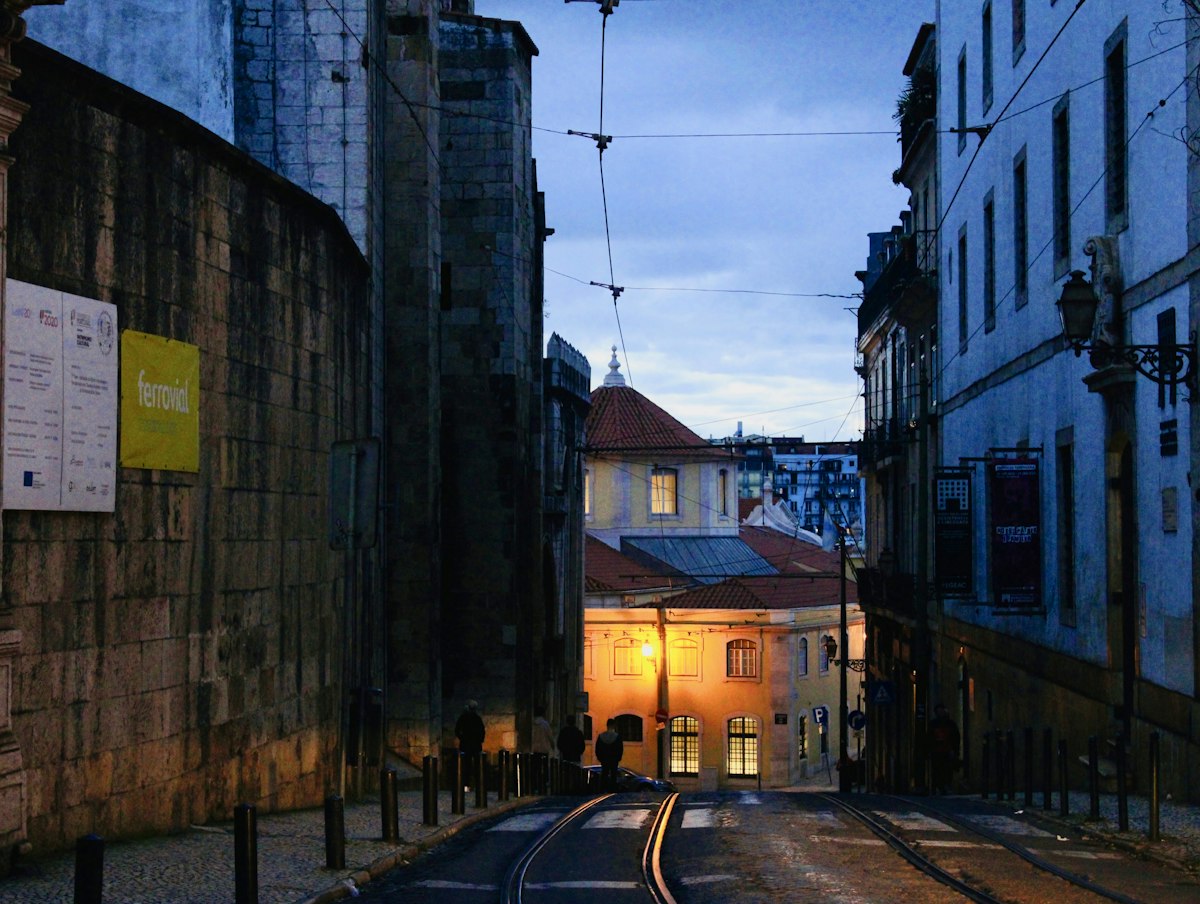
What I actually did on a week-long stay: spent three mornings walking the same Ribeira district until I could navigate it blind. Took the tram line 1 out to the coast at Foz do Douro twice — once for sunrise, once for a long seafood lunch. Did a half-day Douro Valley boat trip, which is just touristy enough to feel festive but short enough to leave the afternoon free. Reserved one long dinner at cantina 32 and one at Pedro Lemos and was glad I had. Otherwise ate wherever smelled right. Lived a week. Came back calmer than I had been in months.
Lyon, France
Paris gets the press. Lyon gets the lunches. France's third-largest city is a slow-travel paradise that most American and British travelers skip, and most continental travelers underrate. It has a UNESCO-listed old town, two rivers, four thousand years of history, and a bouchon-and-bistro tradition that makes Paris feel like a fast-food strip by comparison.
A week in Lyon looks like this: a long morning in Vieux Lyon, an afternoon crossing between Presqu'île and Croix-Rousse on foot via the silk workers' staircases, an evening apéro of prunelle and Beaujolais on a quay. Repeat with small variations. Insert at least one market morning at the Croix-Rousse market, one lunch of quenelle de brochet, one dinner of andouillette for the brave, and one long afternoon at the Musée des Confluences. Do not try to "see everything" — pick one museum, one church, one neighborhood per day, and leave hours unscheduled.
Bologna, Italy
Bologna is the city I recommend most often to friends who say they "did Italy" and felt ambivalent. Rome is overwhelming. Florence is beautiful but museum-fatiguing. Venice is an ethical problem in 2026. Bologna is none of these things. It is a functioning Italian city of two hundred thousand people that happens to have one of the best-preserved medieval centers in Europe, the oldest university in the Western world, and a food culture so strong that locals call the city La Grassa — the fat one.
Use the week to walk the porticoes (there are forty kilometers of them, and they are UNESCO-listed), eat at least one multi-course lunch that starts at one and ends at four, take a day trip to Modena for balsamic vinegar and Ferrari museums, and stay up late enough to hear the students singing under the porticoes after midnight. Do not try to "see" Bologna. Eat it. Walk through it. Let it accumulate.
Ljubljana, Slovenia
Ljubljana is a secret that is no longer a secret, but it still feels like one. The capital of Slovenia is small enough to cross in twenty minutes and layered enough that every block reveals a different architectural period — Baroque, Art Nouveau, Plečnik modernism, socialist realist concrete, contemporary green design. Jože Plečnik's redesign of the city in the early twentieth century makes it look like a scale model of a more beautiful Central Europe.
A week lets you do Ljubljana properly, plus easy day trips. Lake Bled is forty-five minutes away and absolutely worth the cliché. The karst caves at Postojna are an hour. The coast at Piran is ninety minutes and includes a stop in Trieste if you are ambitious. The Vipava Valley wine region, which most tourists never see, produces some of the most interesting whites in Europe. Ljubljana itself is best enjoyed by renting a bike and riding along the river, drinking Lasko or Union at outdoor cafés and watching the dragon bridge light up at dusk.
Ghent, Belgium
Bruges gets all the visitors and Brussels gets all the conferences. Ghent, in between, gets ignored. This is a mistake. Ghent has the visual drama of Bruges without the tourist buses, a university that keeps the city young and lively, a thriving alternative food scene built around the famous volkstuintjes (allotment gardens), and a Friday and Saturday night bar culture that rivals anything in Northern Europe.
A week here is genuinely slow: long mornings at the Sint-Baafs Cathedral staring at the Ghent Altarpiece (one panel at a time, ideally across multiple visits), long afternoons walking the canals and the Graslei, long evenings at the outdoor cinema in summer or the many cozy bruine kroegen (brown cafés) in winter. Eat stoverij with fries, drink local Tripel and Geuze, take a day trip to Antwerp for the fashion museum and the cathedral, and stay another week if you can.
What I Have Changed My Mind About
Three years of slow travel has changed several pieces of advice I used to give automatically. I was wrong about these, and I am happy to admit it.
I used to say "stay in the historic center." Now I usually book accommodations in a less central neighborhood with good transit — a residential area fifteen minutes' walk or two tram stops from the main sights. The historic center is where the noise, the souvenir shops, and the worst restaurants cluster. A quiet apartment near a real neighborhood market is both cheaper and more restful. You save the historic center for visits during the day and return each evening to somewhere that feels like a home, not a museum gift shop.
I used to say "try to speak the language." Now I say: learn five polite phrases, then use them with confidence and accept that everyone will switch to English immediately. The point was never fluency. The point was showing respect. A sincere obrigado in Porto opens a different kind of interaction than the same sentence in English. Then everyone proceeds in English and you both feel better about it.
I used to say "always book restaurants in advance." This is still true for the famous places, but I now actively reserve one or two "wrong" meals — the noisy trattoria the locals are queuing for, the unmarked counter near the train station, the place with the hand-written menu in a language you do not read. The best week of eating I have had in Europe almost always included one of these accidental reservations, made on the spot because the first place I tried was closed that day.
What to Skip
If your time is limited, here are the cities that are still worth a long weekend, but no longer deserve a full week. None of them are bad places. They have simply been loved to death by travel content, and the experience no longer matches the hype.
Venice in 2026 remains a moral and logistical problem. A day visit from the mainland is fine. An overnight stay is now a transaction you have with a city that is actively sinking under tourist weight. The cruise ships, the day-trippers, the rising water — pick another Italian city and let Venice rest.
Barcelona in peak season is exhausting. The combination of cruise passengers, package tourists, and pickpocket gangs makes the Gothic Quarter feel like a particularly stressful theme park. Off-season Barcelona is lovely. July Barcelona is a job. Skip it during the busy months, or accept that you are there to be processed, not to travel.
Amsterdam in the center is no longer a pleasant place to be a tourist. The Red Light District has been reengineered for bachelor parties, the canal houses are almost entirely short-term rentals, and the locals are openly hostile. Rotterdam, Utrecht, or The Hague will give you a more honest Dutch experience and a more honest Dutch welcome.
Dubrovnik is a city that has been cosplaying as King's Landing for so long it has forgotten what it used to be. The walls are extraordinary, the sea is beautiful, and the experience inside the walls is a UNESCO-themed shopping mall. Go to Split instead, or stay on the Croatian coast somewhere that has not been entirely financialized.
None of these are bad places. They are simply not slow-travel places anymore. Save them for a future visit when the dynamics have shifted, or accept them on their current terms — quick, transactional, photogenic.
The History
The slow travel movement is younger than most travelers realize. It is not an ancient philosophy. It is a direct descendant of the slow food movement, which began in 1986 in Rome when Carlo Petrini protested the opening of a McDonald's near the Spanish Steps. Slow food was never really about food. It was about defending the local, the seasonal, the cultural — against the homogenizing pressure of globalized industrial production.
Slow travel took the same logic and applied it to movement. Why fly across Europe in two hours to spend forty-eight hours in three cities, when you could take a train and spend a week in one? Why stay in an international hotel chain when there were local guesthouses? Why eat at the same restaurants that exist in every other major city, when you could eat what the region actually eats?
The movement gained real momentum in the 2010s, partly as a response to overtourism in places like Barcelona, Venice, and Dubrovnik, and partly as a generational shift in how millennials and Gen Z thought about travel. The Instagram-era "see it all" checklist trip became embarrassing. The week-long stay in one neighborhood became aspirational.
In Europe specifically, slow travel found an unusually fertile ground. The continent has the densest rail network on the planet, hundreds of small regional airports that connect unusual city pairs, and a culinary and cultural tradition that genuinely rewards the traveler who arrives curious and stays long enough to learn. The EuroVelo cycling network, the revival of night trains between major cities, and the growth of agritourism and homestays have all made week-long stays in places like Porto, Lyon, and Ljubljana more practical than they were even ten years ago.
What is new in 2026 is the climate calculus. Short-haul flights have become ethically complicated. Train travel is no longer just pleasant — it is increasingly the only defensible way for a European resident to take a city break. The rise of the Interrail-style "discover your own continent" trip, especially among younger travelers, is one of the more encouraging trends in European tourism.
The Honest Summary
Slow travel is not for everyone and not for every trip. There are times when a rushed weekend in a major city is exactly right: a business trip with a Saturday morning to walk around, a quick anniversary dinner, a layover that becomes a day. The point is not to refuse those trips. The point is to recognize when they are happening and not pretend they are slow travel.
The cities on this list — Porto, Lyon, Bologna, Ljubljana, Ghent — are not "better" than Venice, Barcelona, or Amsterdam. They are simply better suited to the specific pleasure of staying in one place long enough to feel the rhythm shift. They have the food, the architecture, the walkability, and the everyday culture that rewards repetition. They are also, conveniently, less crowded and less expensive than the trophy cities.
If you have a week, take it to one of these places. Arrive without a list. Find a small apartment in a residential neighborhood. Eat lunch late and dinner later. Walk the same streets four or five times until they feel like yours. Talk to one stranger per day. Read a book set in the country you are in. Let the city do some of the planning.
The European city that rewards a week is not the European city with the most monuments. It is the European city that lets you slow down enough to actually meet it. In 2026, with train networks improving and overtourism reshaping the conversation, there has never been a better moment to try it.